
Common Symptoms of Heart Problems

How would you know if you have a healthy heart? Can your heart give you signs that something is not right? When Rohan Gupta, a 40 year old businessman in Siliguri experienced chest pain along with dizziness, he immediately rushed to a hospital known for its cardiology treatment in Siliguri. The cardiologist after examining him told him that he came to the hospital at the right moment. Fortunately, Mr. Gupta noticed the alarming signs and went to the right hospital that has some of the best cardiologists in Siliguri at the right time. 

Noticing the signs are important

Yes, your heart gives various signs about its health. You need to be attentive about them as they may not be apparent all the time. Knowing the symptoms is crucial so that you can discuss them with your cardiologist before it’s too late. 

Some of the symptoms that need your immediate attention are: 

  • Chest Pain: One of the most common discomforts that most of the people suffer from is chest pain. However, neither all the chest pains are similar nor do they indicate heart ailments. Some may feel like heaviness in the chest. Others may feel a tingling sensation in the elbows, arms, or wrists. Different people will experience different symptoms – hence it’s important to visit your cardiologist immediately when you feel something isn’t right. 
  • Fatigue: With today’s demanding lifestyle, fatigue is a common symptom among many. It may be due to various reasons. Heart disease can be one of them.
  • Irregular Heart Beat: Have you ever felt that your heart skipped a beat? Apart from joy or thrill, it can be your heart seeking immediate attention. 
  • Acute Pain in the Arm: Though it’s not a very common symptom but an acute pain in the arms that spreads to the entire body is a cause for alarm. If you experience acute arm pain, visit your nearest hospital. 

Although, heart diseases were thought to be common among the elderly people, but due to a fast-paced urban lifestyle, young people are also experiencing various heart ailments. It’s wise to be heart-healthy at an early stage with correction in lifestyle, meditation, walking, breathing practices and quitting smoking or excessive alcoholism. Also, people suffering from chronic conditions must regularly visit their cardiologist to ensure a healthy heart.
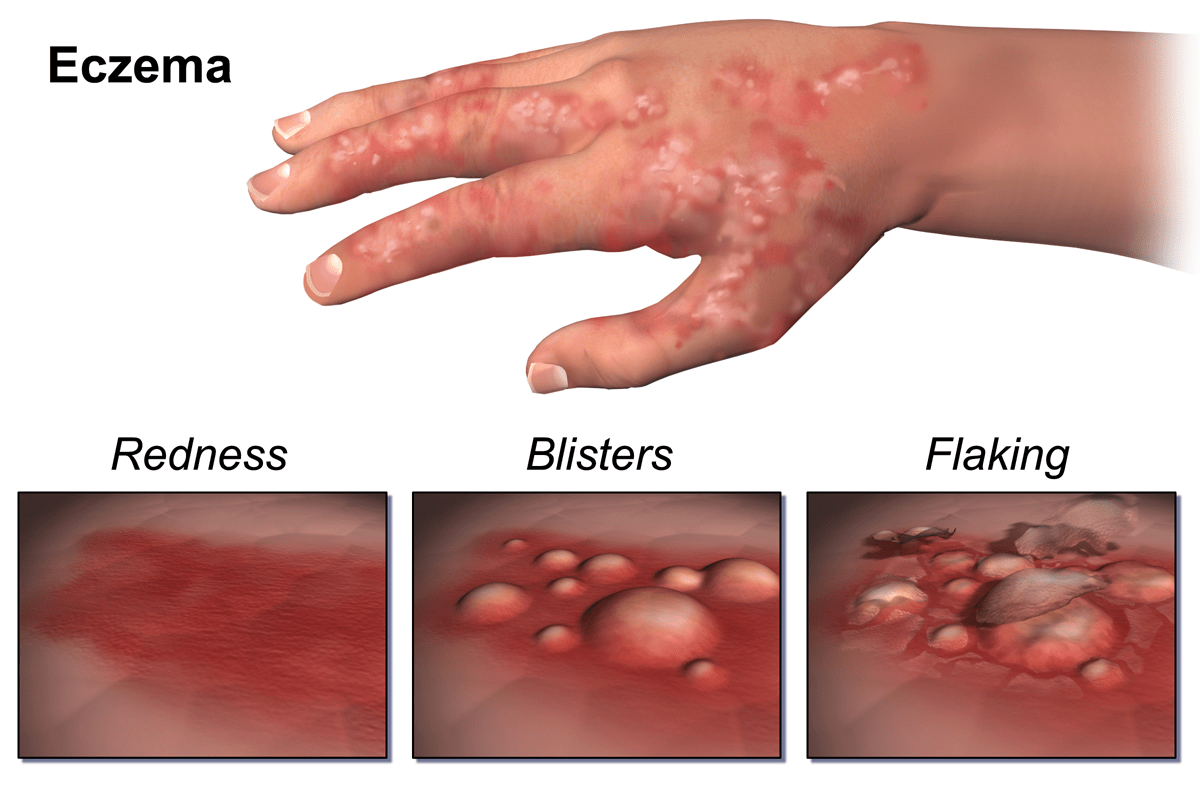
Eczema Causes And Triggers

When Mrs Rohini Sengupta, a 35 year old resident of Siliguri, started noticing flaky skin on her hands, she got worried. She immediately consulted a dermatologist in Siliguri, who told her that she was suffering from hand eczema. He advised her not to touch strong detergents and also told her to avoid water-based hand moisturisers. Instead he asked her to use petroleum jelly. Like Mrs. Sengupta wasted no time and visited a skin specialist in Siliguri immediately she noticed the extreme dryness, you should also waste not time if you notice any sudden change in your skin condition. 

Over here we discuss about Eczema – one of the common skin conditions affecting people of all ages. 

Eczema Causes and Triggers

Eczema or dermatitis, simply put, is a skin condition that makes the skin scaly, itchy, and inflamed. Although its exact cause is unknown, it is commonly found in those having a history of asthma and allergies. Eczema can be of different types such as venous eczema, seborrhoeic eczema, discoid eczema, irritant contact eczema, allergic contact eczema and atopic eczema.

Some Common Causes of Eczema

Some of the common causes of eczema are:

  • Pet hair and other allergens such as pollen
  • Hard water
  • Nuts and dairy products
  • Nutritional deficiency
  • Side effects of OTC drugs
  • Stress
  • Metals in some jewellery
  • Environmental changes like higher temperatures resulting in perspiration and humidity
  • Skin irritants like scented soap, washing detergent and other household chemicals

Common Eczema Triggers

  • Food: There are certain foods that can worsen eczema, such as dairy products, red meats, gluten, refined carbohydrates and sugar. People may have a flare-up after consuming ingredients and foods that are inflammatory. Similarly, consuming foods that people are allergic to can make their eczema symptoms worse or trigger some form of inflammatory response.
  • Cold Air: Colder temperatures may cause eczema flare-ups in some. Dry air and cold weather often go hand in hand. Excess of dry air may zap the skin of its natural moisture. Often dryness causes itching that results in scratching and even inflammation.
  • Hot Weather: Not only cold weather, but also hot weather can irritate your skin. Excessive perspiration can also make skin itchy.
  • Exposure to Water: Exposure to water for a prolonged period can also trigger eczema. Water can make the skin dry, which can result in persistent itching.

Apart from these, the list of common eczema triggers also includes anxiety and stress, laundry detergents, scented products, certain fabrics, airborne allergens, heavy workout, certain skin infections and hormonal changes. Managing eczema does not only include the use of medications and creams suggested by a dermatologist or skin specialist, but also an awareness of the potential triggers. So, know the triggers that may be behind your eczema flare-ups.

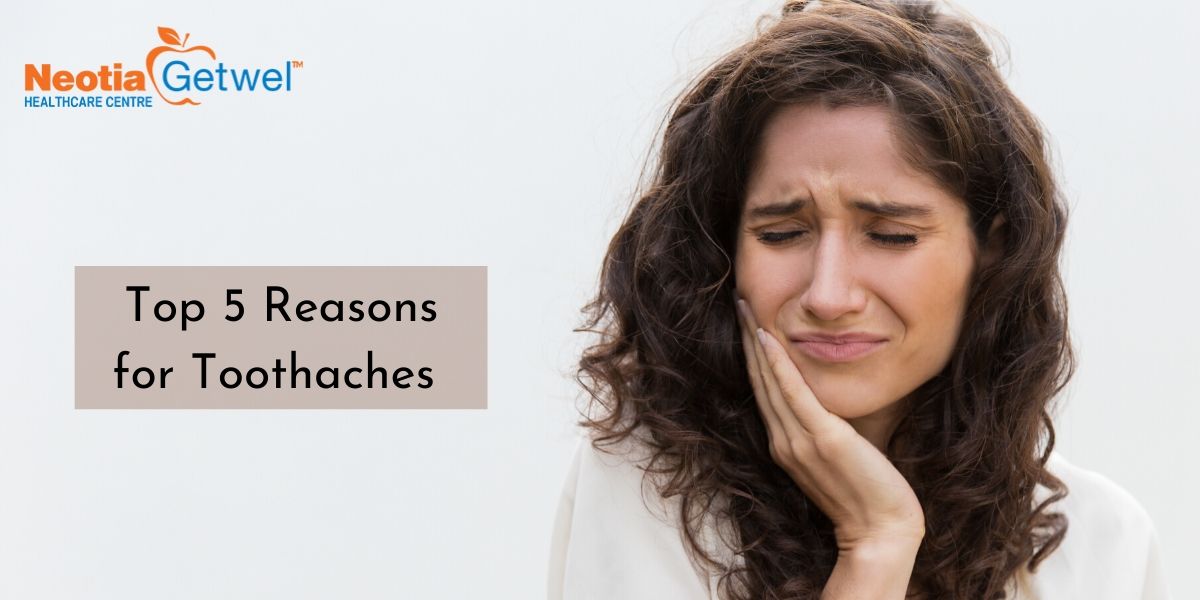
Top 5 Reasons for Toothaches

Toothaches can you make you feel miserable. But they are a sign that something is wrong with your teeth or gums. Toothaches are not life-threatening but when left untreated for long they can cause serious dental problems that may require immediate medical treatment. Even when there is no dental problem, it’s good to see your dentist once in every six months. If you are experiencing a toothache or have dental issues, then you should visit your dentist more frequently. 

Here are the top 5 reasons for toothache: 

Tooth decay: This the most common reason for a painful toothache. Bacteria, frequent snacking, and not brushing your teeth properly can lead to the formation of cavities. These cavities are holes formed on the hard surface of your teeth. For a cavity to hurt you, the damage has to be significant enough to reach the inner layer.  If you are experiencing a toothache, it means much damage has been done. 

Gum disease: Gum diseases like gingivitis can cause toothache. Other symptoms of gum diseases are usually red and bleeding gums. Healthy gums are pink and firm. But if your gums are bleeding, you must visit a dentist. If gum disease is left untreated for long, it can damage teeth and bones. In severe situations, surgical measures have to be taken. 

Tooth fractures: Teeth can get broken or chipped while suffering a fall or accident. You may feel pain in a tooth when the fracture has reached to the middle of the teeth where the nerves are there. 

Tooth sensitivity: If you are experiencing sharp toothache immediately after eating or drinking something that is cold or hot, then you have tooth sensitivity. This is an indication that the enamel of the tooth has worn out. 

Misaligned teeth:  Misaligned teeth can cause you to have pain. When teeth are not properly aligned, they press against each other, resulting in pain. If there’s an impacted wisdom tooth, then pain can be excruciating. A wisdom tooth is called impacted when it has no room to grow normally and this can result in pain and other dental problems.

Are you looking for dental surgery in Siliguri? Neotia Getwel Healthcare Centre has well-experienced dentists who perform a wide range of general dental procedures, endodontic procedures and oral & maxillofacial surgeries. The multispeciality hospital has some of the best dentists in Siliguri on board.

Sore Throat: Symptoms, Diagnosis & Treatment

If you are experiencing persistent irritation and scratchiness on your throat, the odds are great that you are suffering from sore throat. While the symptoms may not seem too bothersome, it’s important to get them diagnosed and get the condition properly treated in order to lower the risk of throat complications.

Symptoms of sore throat

Here’s a list of a few of the common symptoms of a sore throat:
● A muffled voice
● Hoarse voice
● Pus or white patches on the tonsils
● Redness on the tonsils
● Swelling of the tonsils
● Swelling of the jaw and/or neck glands
● Difficulty in swallowing
● Pain on the throat that worsens when talking or swallowing

Some of the common symptoms of sore throat occurring from infections include:
● Vomiting
● Nausea
● Recurring headaches
● Body aches
● Sneezing
● Runny nose
● Cough
● Fever

Causes of sore throat

In most cases, sore throat occurs from viruses that cause the flu and common cold. Here are some of the common causes of sore throat:

● Bacterial infections:

Bacteria known as Streptococcus pyogenes (group A streptococcus) commonly cause sore throat.

● Viral infections
Some of the viral illnesses that lead to a sore throat include:
● Whooping cough
● Croup
● Chickenpox
● Measles
● Influenza (flu)
● Common cold

Other causes
Some of the other causes of a sore throat include:

Tumours: Development of cancerous growth either on the larynx, tongue, or throat can lead to a sore throat. Presence of blood in the phlegm/saliva, lump in the neck, or noisy breathing are some of the common symptoms.

HIV Infection: If you have HIV, you stand at an increased risk of sore throat. Being HIV positive heightens the risk of recurrent sore throat

GERD (Gastroesophageal reflux disease): GERD is one of the stomach problems that can lead to a persistent sore throat.

Dryness: Dryness in the air can increase the risk of sore throat. Make sure to avoid spending too much time indoors, especially in an air-conditioned room to lower your risk.

Diagnosis for sore throat

ENT doctors usually perform a series of tests in order to get a proper diagnosis of a sore throat. The ENT doctor may begin the diagnostic procedure by asking you about your symptoms. It’s common for ENT doctors to feel the sides of your neck to check for swollen glands.

To check the presence of a strep throat, the ENT doctor will collect the sample by running a swab on the back of the throat. The ENT doctor will then perform a rapid strep test. It usually takes a couple of days for the results to come out after the sample goes through a series of lab tests.

Treatment of sore throat

Throat lozenges can work wonders for minor cases of a sore throat. For serious cases, ENT doctors usually prescribe cough syrup, a spray that has a cooling effect on the sore throat, and other throat-soothing syrups.

Design a site like this with WordPress.com
Get started